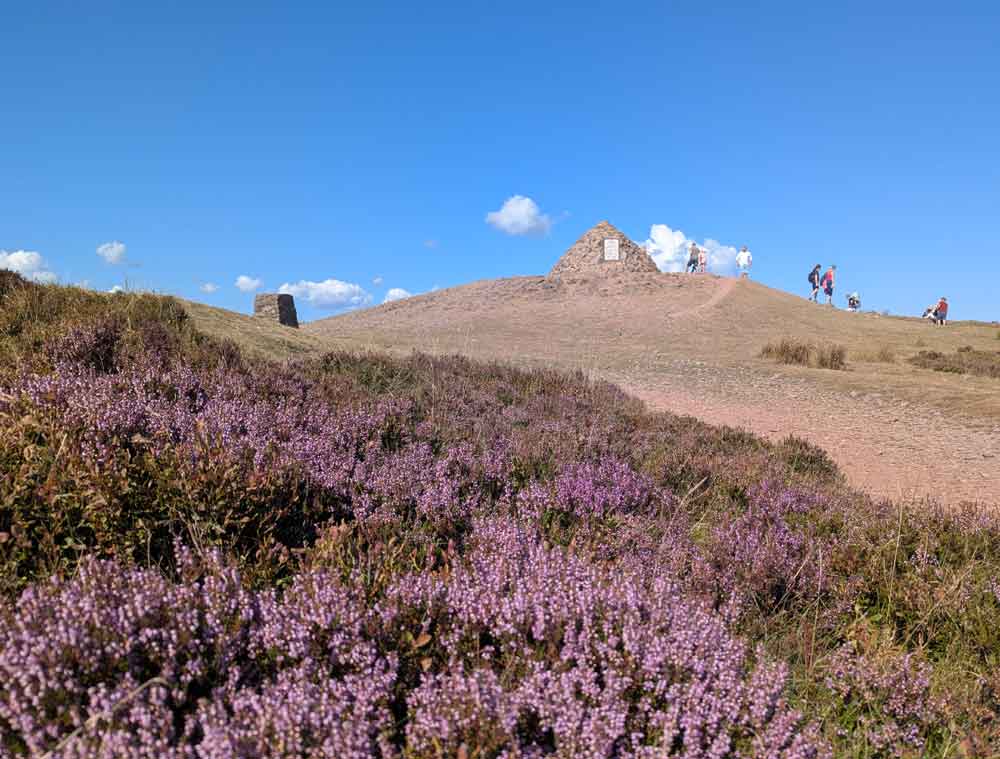
If you are looking for the perfect 4-day Exmoor itinerary, we can help. We’ve just returned from a long weekend break in Exmoor National Park and can share the best places to visit, along with our favourite walks, local food spots, and practical tips for planning your trip.
Stretching across Somerset and North Devon, this beautiful national park combines rolling moorland, dramatic coastal scenery, and charming country villages. If you love the great outdoors, hiking, and relaxing by the coast, Exmoor National Park is the perfect UK getaway.
Read on to discover how to spend four unforgettable days in Exmoor.
*contains affiliate links
Contents: click to jump to a section
4-day Exmoor Itinerary at a Glance
- Day 1: Arrive in Exmoor and visit Tarr Steps
- Day 2: Porlock Weir and Culbone Church circular walk
- Day 3: Dunkery Beacon and Horner Wood
- Day 4: Valley of Rocks, Lynton & Lynmouth
4-day Exmoor itinerary - a map
4-day Exmoor Itinerary: How to spend 4 days in Exmoor National Park
Day 1: Travel to Exmoor and Tarr Steps
The best way to explore Exmoor National Park is by car, as many of the area’s most scenic viewpoints, walking trails and attractions are spread wide across the moors and coastline. The drive from Surrey took us about three and half hours.
After a refreshment stop just outside the national park, we headed straight to one of Exmoor’s most famous landmarks, Tarr Steps.
Tarr Steps

Tarr Staps is one of the most popular attractions in Exmoor and a good place to start your 4-day Exmoor itinerary. This ancient clapper bridge spans the River Barle and is thought to one of the oldest bridges of its kind in Britain.
To get to the steps, park in the National Trust car park and enjoy a short walk down to the river, where you’ll see the bridge directly in front. After crossing the bridge, follow the riverside path, before retracing your steps back to Tarr Farm Inn for a well-earned cream tea.
Currently, the neighbouring bridge is closed, so it isn’t possible to do a circular walk. Even so, the bridge, riverside scenery, and pub made this one of our favourite places to visit in Exmoor.
Tip: If you’ve got young kids, take a towel as the shallow waters make this an ideal place for a paddle!
Day 2: Porlock Weir to Culbone Church Circular Walk
Porlock Weir and Culbone Church
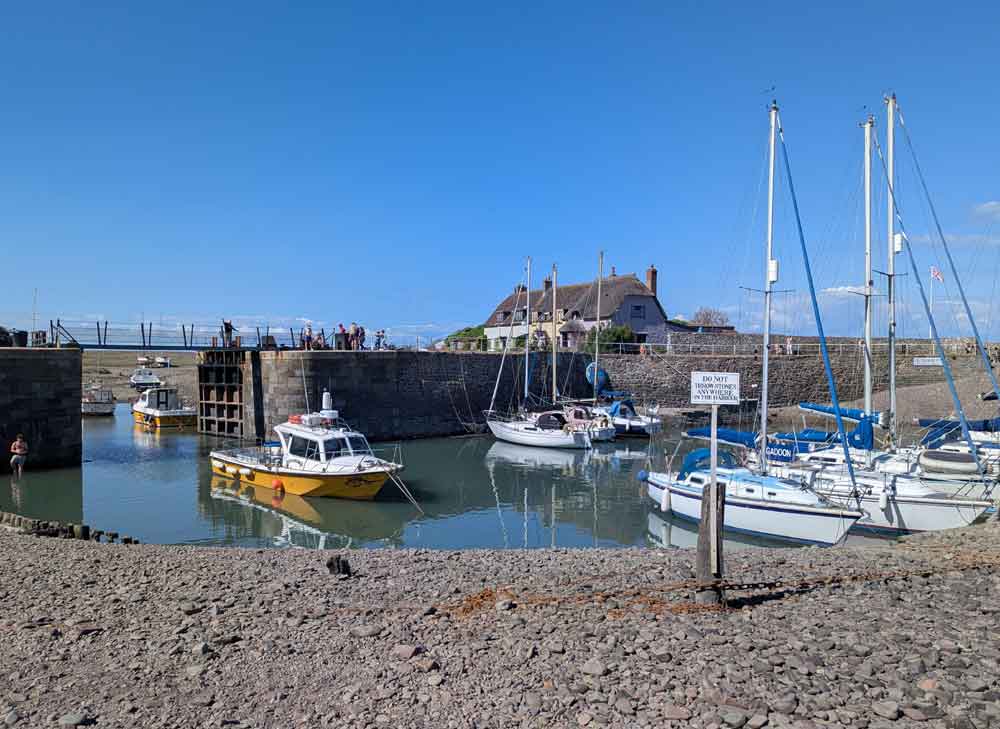
On day 2 of our Exmoor itinerary we headed to Porlock Weir, a picturesque harbour village on the edge of Exmoor’s dramatic coastline. We arrived early to enjoy the peaceful atmosphere before the visitors arrived. It really is a gorgeous village, unspoilt by time.
From the harbour, we had a short wander past the cottages and down to the sea. We then followed the South West Coast Path towards Culbone Church, considered the smallest parish church in England. It wasn’t until we arrived that we recognised it and realised we’d visited several years ago during a stay in Dunster.
Tip: We haven’t included Dunster in our itinerary, as we’ve already been, but it’s well worth a visit.

The return route through Culbone Woods was a scenic but challenging walk, with a few steep sections. The views made it worthwhile though and this was one of the most memorable walks on our Exmoor National Park itinerary.
Back in Porlock Weir, there are several places to eat, but we opted for wood-fired pizza from the Porlock Inn Hotel.
There are several small shops in Porlock Weir, where you can buy gear to go crabbing, but we were perfectly content to sit and admire the views over the harbour.
Tip: If you are doing the circular walk, take plenty of water, as there are no facilities along the way.
Day 3 – Dunkery Beacon & Horner Wood
Dunkery Beacon
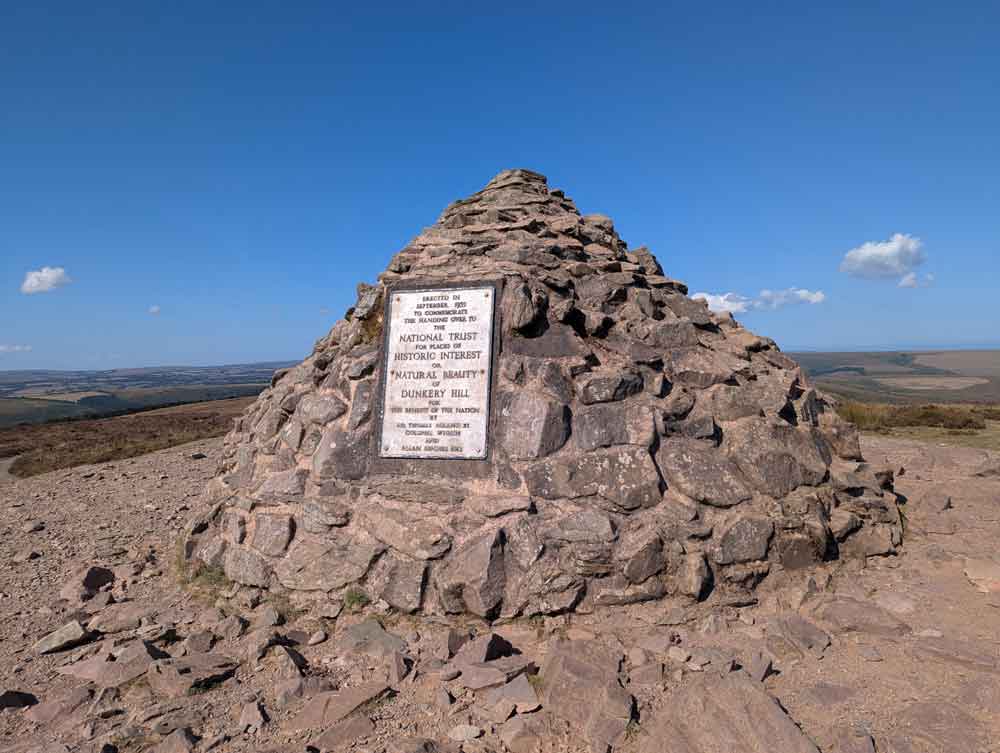
One of the most popular things to do in Exmoor National Park is climb up to the top of Dunkery Beacon.
At 519 metres above sea level, Dunkery Beacon is the highest point in Exmoor National Park and one of the area’s most iconic viewpoints.
From the summit, you’ll be rewarded with panoramic views across Exmoor’s moorland landscape, even as far as Wales on a bright day. Visitors can choose from several longer walking routes to get to the Bronze Age cairn at the top, but we took the shorter walk from Dunkery Gate car park.
For anyone planning an Exmoor holiday, this is one of the best viewpoints in the national park. Dunkery Beacon is also one of the best places for spotting the Exmoor ponies, which roam wildly across the moorland.
Horner Wood
After Dunkery Beacon, we drove to Webber’s Post, another of the top viewpoints in Exmoor. Webber’s Post sits on the Holnicote Estate (which is now managed by the National Trust) and looks out over a wild expanse of moorland stretching up to Dunkery Beacon.
Holnicote Estate covers 12,500 acres on Exmoor and there are various walks you can do from here.
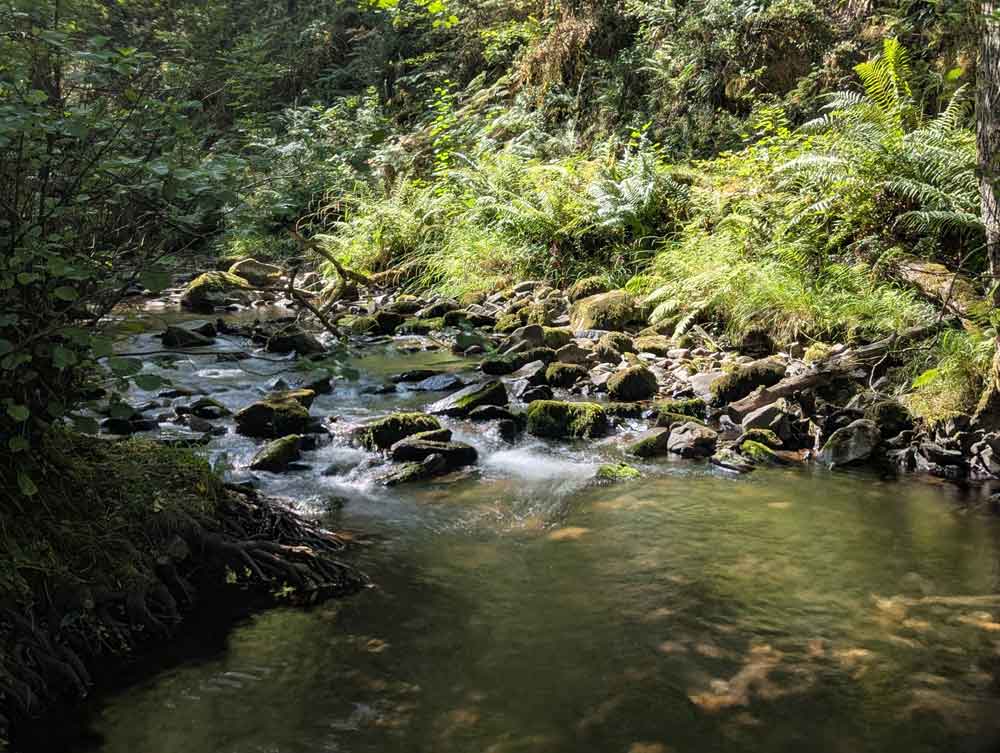
We chose the walk thorough ancient woodland to the village of Horner, a picturesque hamlet which is home to the popular Horner Tea Gardens. After tea and cake in the gardens, we followed the River Horner before ascending up to the car park.
Horner Wood is one of the largest ancient oak woods in Britain. It’s incredibly scenic, but be warned, it’s a very, steep zig-zag path to get back to the top.
Tip: If you don’t want a steep walk, you could park in Horner and take a more leisurely stroll along the River Horner, which is absolutely stunning.
Day 4 – Valley of Rocks and Lynton & Lynmouth
We deliberately saved our visit to Lynton & Lynmouth to the last day of our 4-day Exmoor itinerary. Valley of the Rocks is one of the most popular attractions in Exmoor and we wanted to avoid the weekend crowds. As it turned out, we arrived early on Monday and nearly had the place to ourselves!
Valley of Rocks
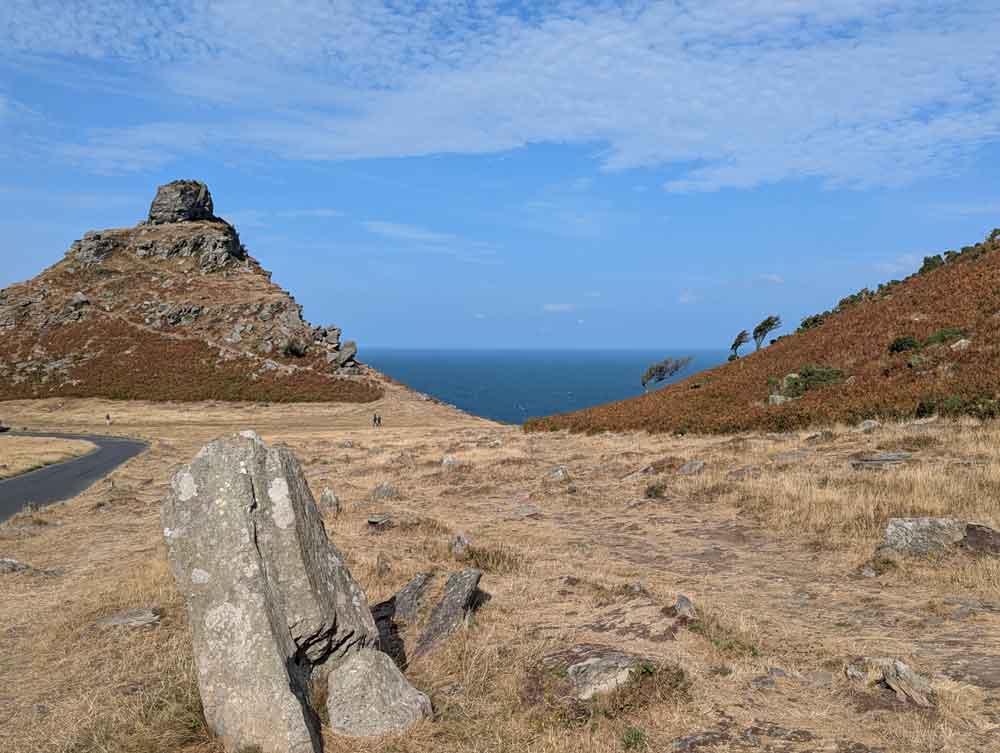
Valley of Rocks is undoubtedly one of the best places to visit in Exmoor.
Located just outside Lynton, this dramatic landscape is famous for its unusual rock formations, towering cliffs, and resident feral goats. The views over the North Devon coastline are spectacular, making it a favourite spot for photographers, nature lovers, and walkers.
After exploring Valley of the Rocks, we walk along the coastal path to Lynton. Although we weren’t lucky enough to spot any goats (despite my best efforts!), we still thought it was one of the highlights of our 4-day Exmoor itinerary.
Lynton & Lynmouth
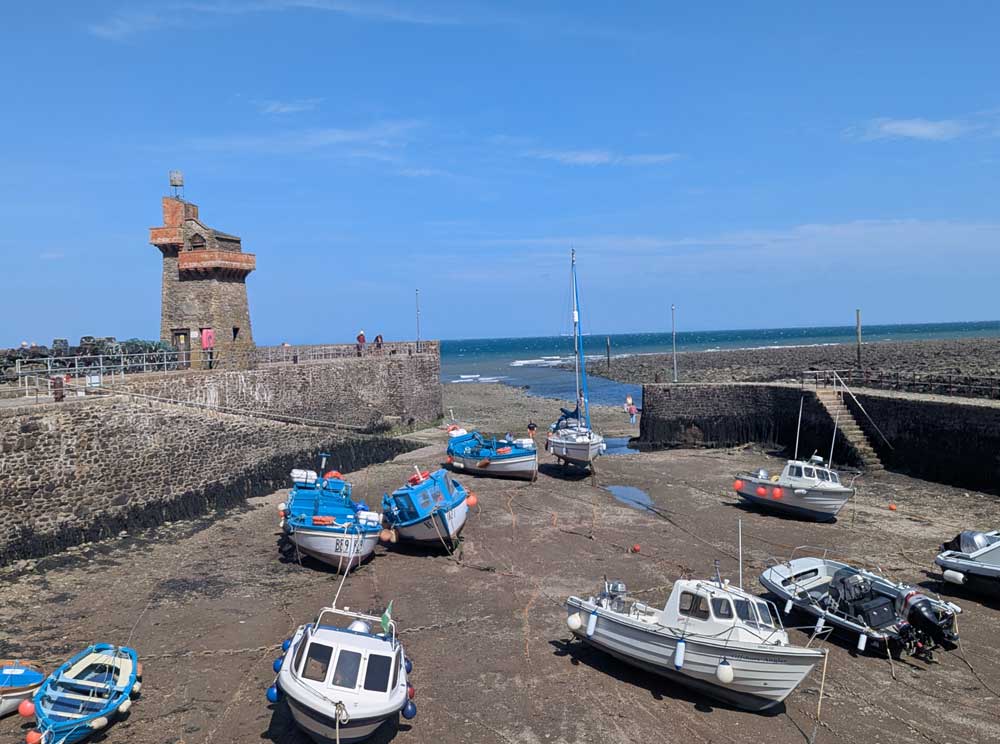
Perched on Exmoor’s spectacular coastline, the twin towns of Lynton & Lynmouth are linked by a unique Victorian water-powered cliff railway.
Lynton sits high on the cliffs, while Lynmouth nestles around a picturesque harbour below. Together they offer plenty of places to eat, independent shops, and seaside charm, making them easily one of the best places to visit in Exmoor.
Read more in our guide to Lynton & Lynmouth.
Useful information for your visit to Exmoor National Park
Best time to visit Exmoor
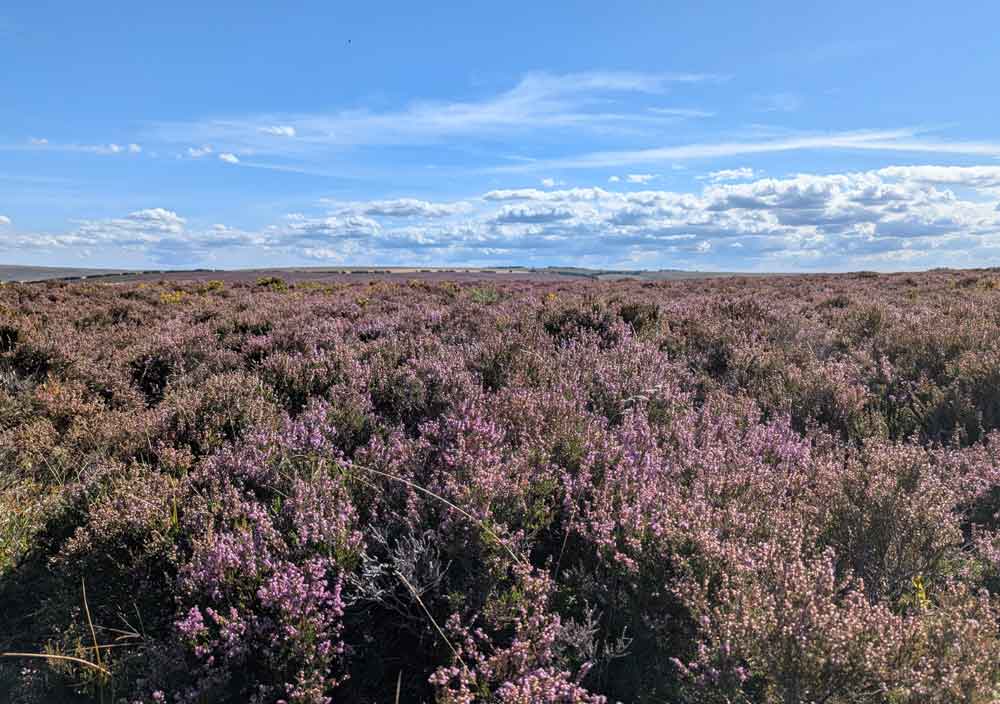
Exmoor Is beautiful year-round, but spring and autumn are particularly good times to visit. In spring, you’ll find bluebells in the ancient woodlands and may even spot newborn Exmoor ponies.
Summer is also a wonderful time for an Exmoor holiday, as the days are longer and you can expect better weather. Popular destinations like Valley of Rocks and Lynmouth can get busy during the school holidays, although when we visited in August it never felt overly crowded. The late-summer heather was particularly spectacular, adding purple hues to the Exmoor landscape.
Where to stay in Exmoor
We based ourselves in a converted barn in Exford, a lovely village in the heart of Exmoor National Park.
Its central location made it easy to all the attractions in our 4-day Exmoor itinerary, including Tarr Steps, Dunkery Beacon and the North Devon coast.
Exford village centres around a traditional green, has a couple of hotels, two shops and a tea shop. Our favourite treat was ending the day with a cream tea in the Exford Bridge Tea Rooms or a pint outside the White Horse Hotel.
Where to eat in Exmoor
Although we stayed in self-catering accommodation, we ate out quite a lot throughout our trip and somehow managed to fit in three cream teas!
Some of our favourite meals included:
- Sunday dinner at The Crown Hotel, Exford
- Wood-fired pizza at the Porlock Weir Hotel
- Fish and chips at the Rock House, Lynmouth
- Cream tea at Tarr Farm Inn
Spotting Exmoor Ponies
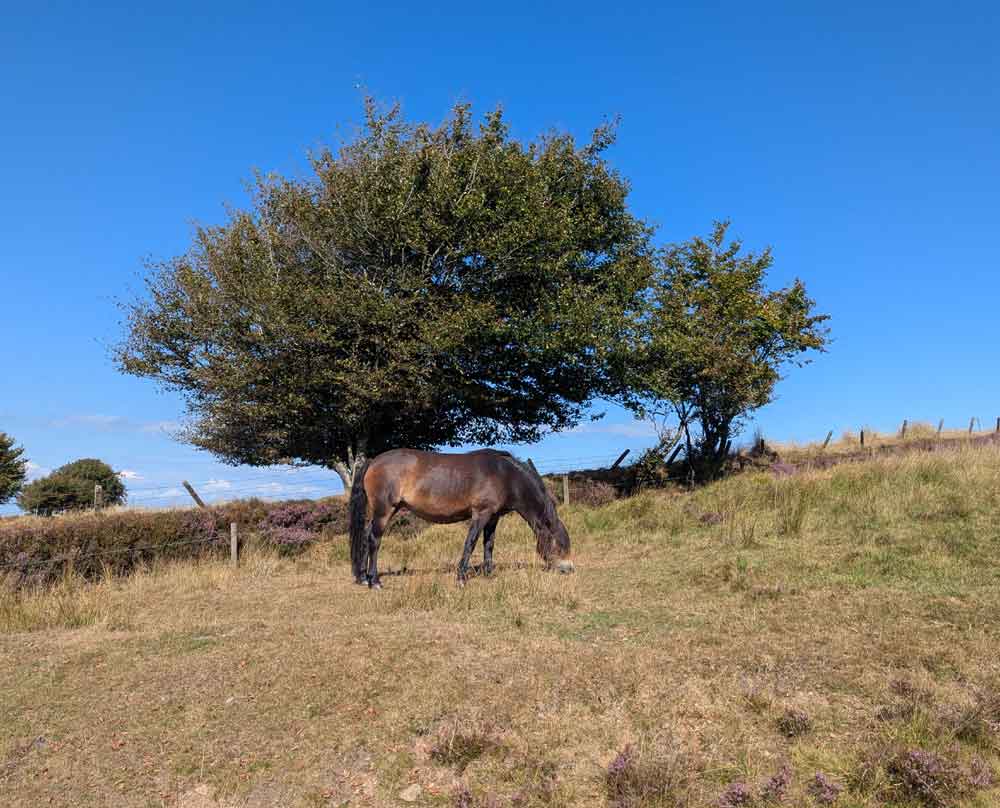
Whilst exploring the moorland around Dunkery Beacon, keep an eye out for the famous Exmoor ponies. These native ponies have roamed the area for centuries and are one of the most iconic sights in Exmoor National Park.
Is 4 days in Exmoor enough?
We found four days to be the perfect amount of time to tick off many to the best places to visit in Exmoor and try a few walks. However, if you enjoy hiking you could easily extend this Exmoor itinerary to a week, as there are plenty of places we didn’t have time to see.
First-time visitors may also want to add Dunster to their itinerary. With its medieval streets, historic castle, and shops, it’s one of the most popular destinations in Exmoor. We didn’t go, as we’d visited previously.
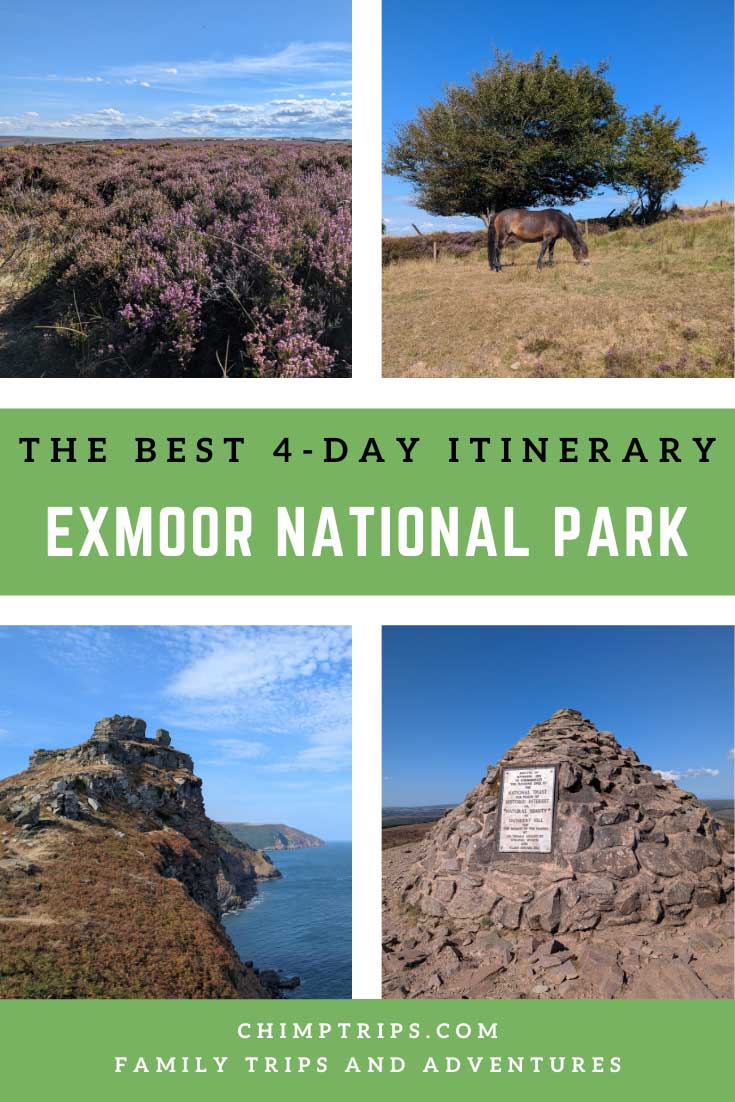
Pin for later or share with a friend who’d love to go: Best 4-day Exmoor itinerary
*Disclaimer: This post contains affiliate links – any purchases you make are unaffected but I may receive a small commission. (Read our full Disclosure Policy)
All rights reserved © Chimptrips. Republishing this article and/or any of its contents (text, photography, links, etc.), in whole or in part, is strictly prohibited.